The Socioscope
Field research, visual ethnography and food systems storytelling across the UK, East Africa, Costa Rica and the USA
Client: The Socioscope
Partners: Advanced Institute of Studies, Nomis Foundation
Role: UK Field Research Partner → East Africa Research Partner → Training & Methodology Support
Year: 2024–2025
Overview
Habitus Insight is a boutique visual ethnography studio working at the intersection of field research, visual storytelling and social-ecological systems. Since 2016, our work has focused on agriculture, food systems and the livelihoods connected to land and soil.
In 2025, our main focus was The Socioscope: an ambitious international research initiative based in Paris, supported by the Advanced Institute of Studies and the Nomis Foundation. The project set out to map and understand grassroots initiatives shaping a more just food transition across the world.
Habitus Insight was initially engaged as the UK field research partner. Our role quickly expanded as the project developed.
The Challenge
During its first phase, The Socioscope aimed to visit and document 600 food system initiatives globally within just over a year. These ranged from regenerative farms and agroecological projects to socially progressive initiatives working at the margins of the mainstream food economy.
The challenge was not only one of scale, but of depth. Each initiative needed to be understood in its local context, grounded in careful qualitative research, and documented in a way that preserved nuance while remaining comparable across countries and regions.
Expanding the Scope
As the project progressed, Habitus Insight took on additional responsibilities:
Supporting the expansion of Socioscope research into Costa Rica and the USA
Becoming the research partner for East Africa, helping to deliver over 60+ documented initiatives across the region
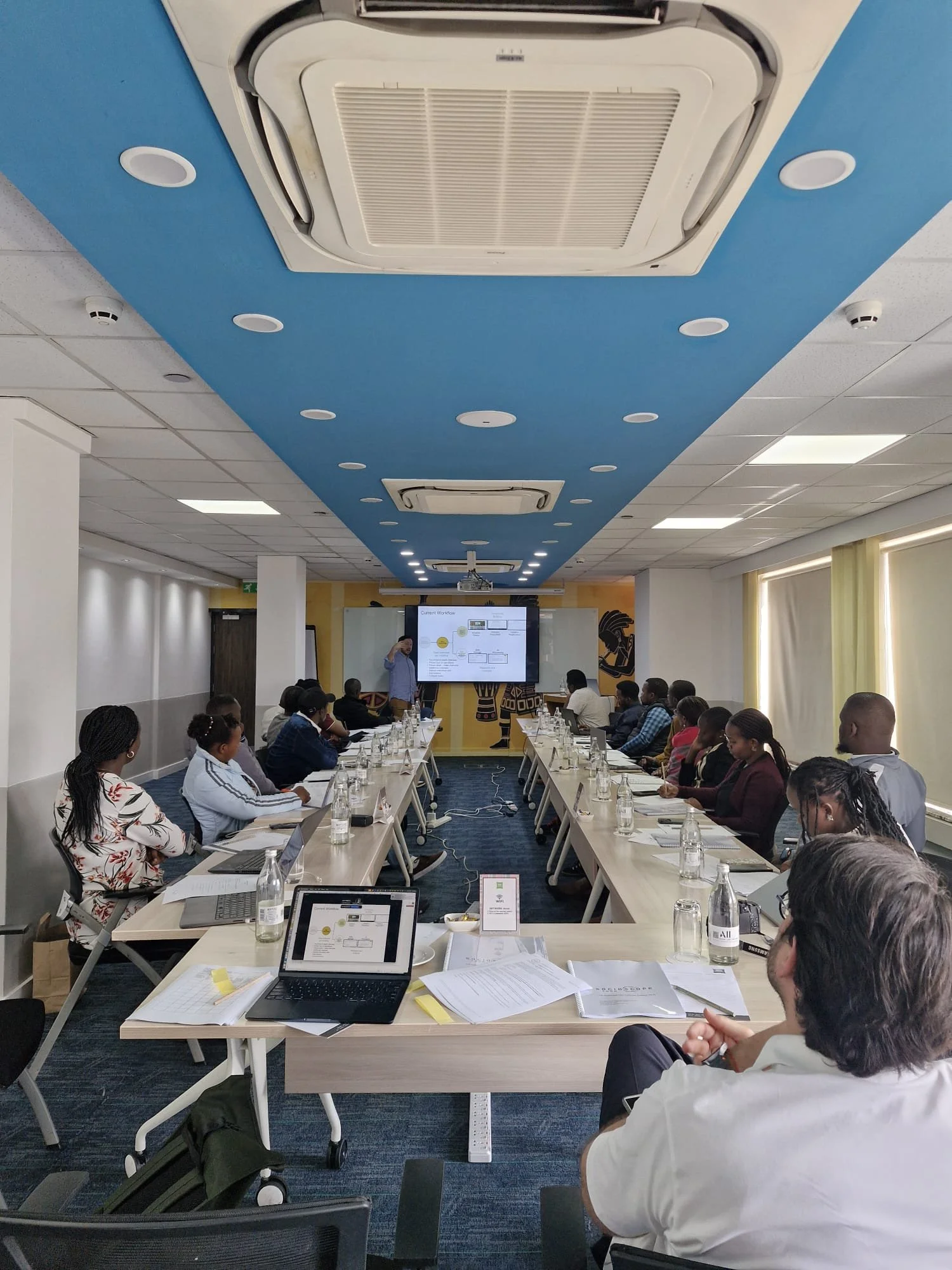
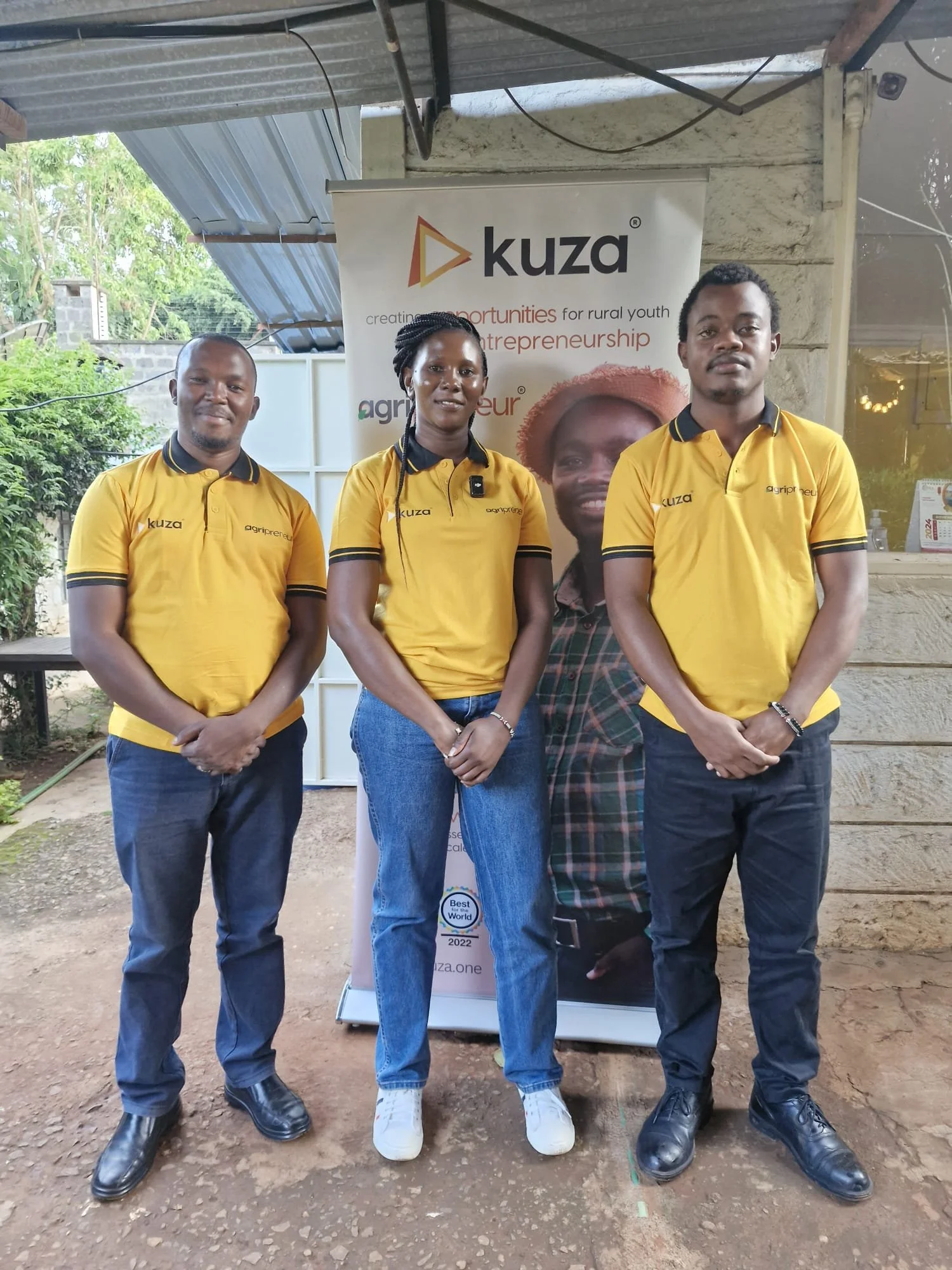
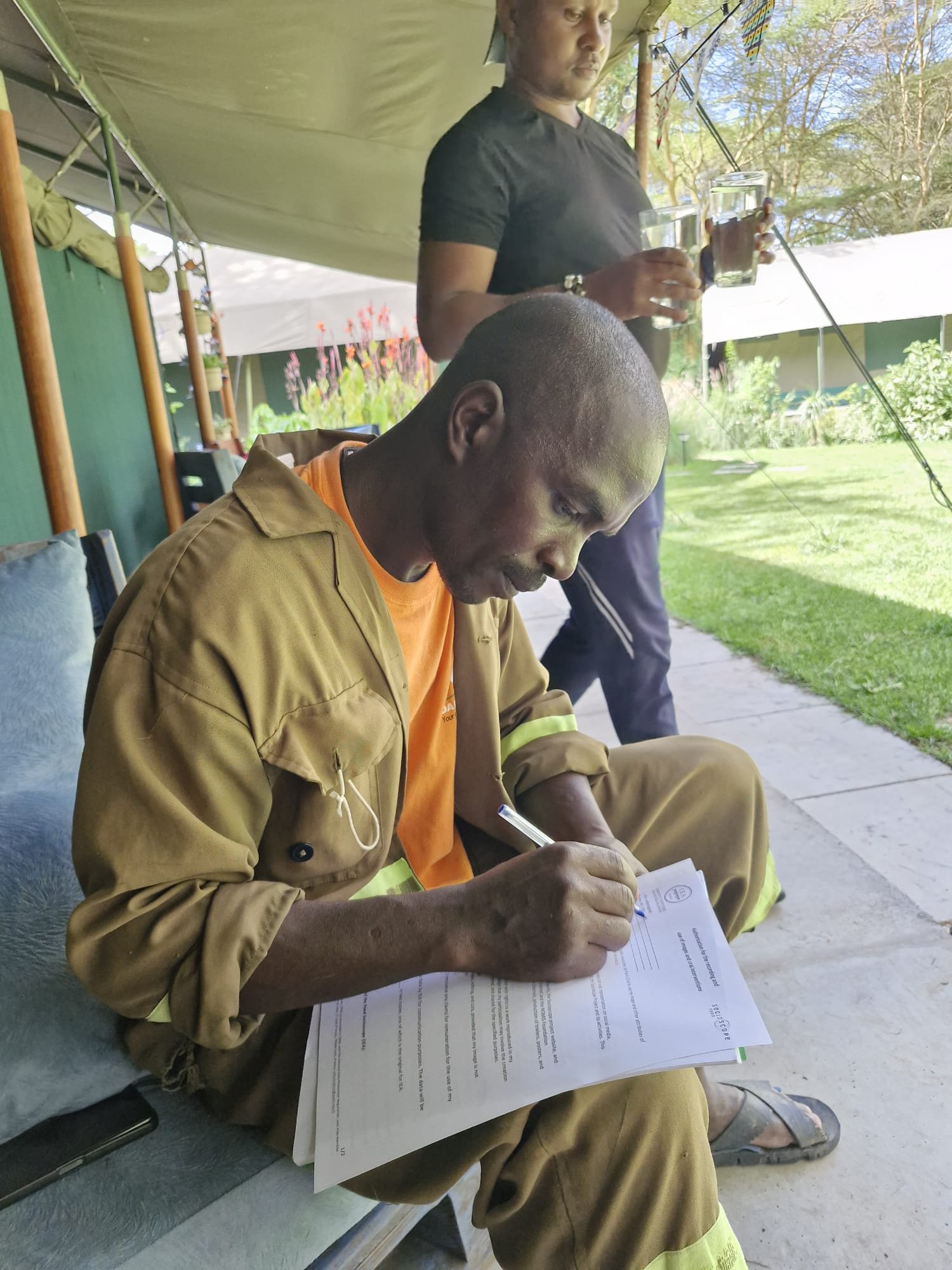
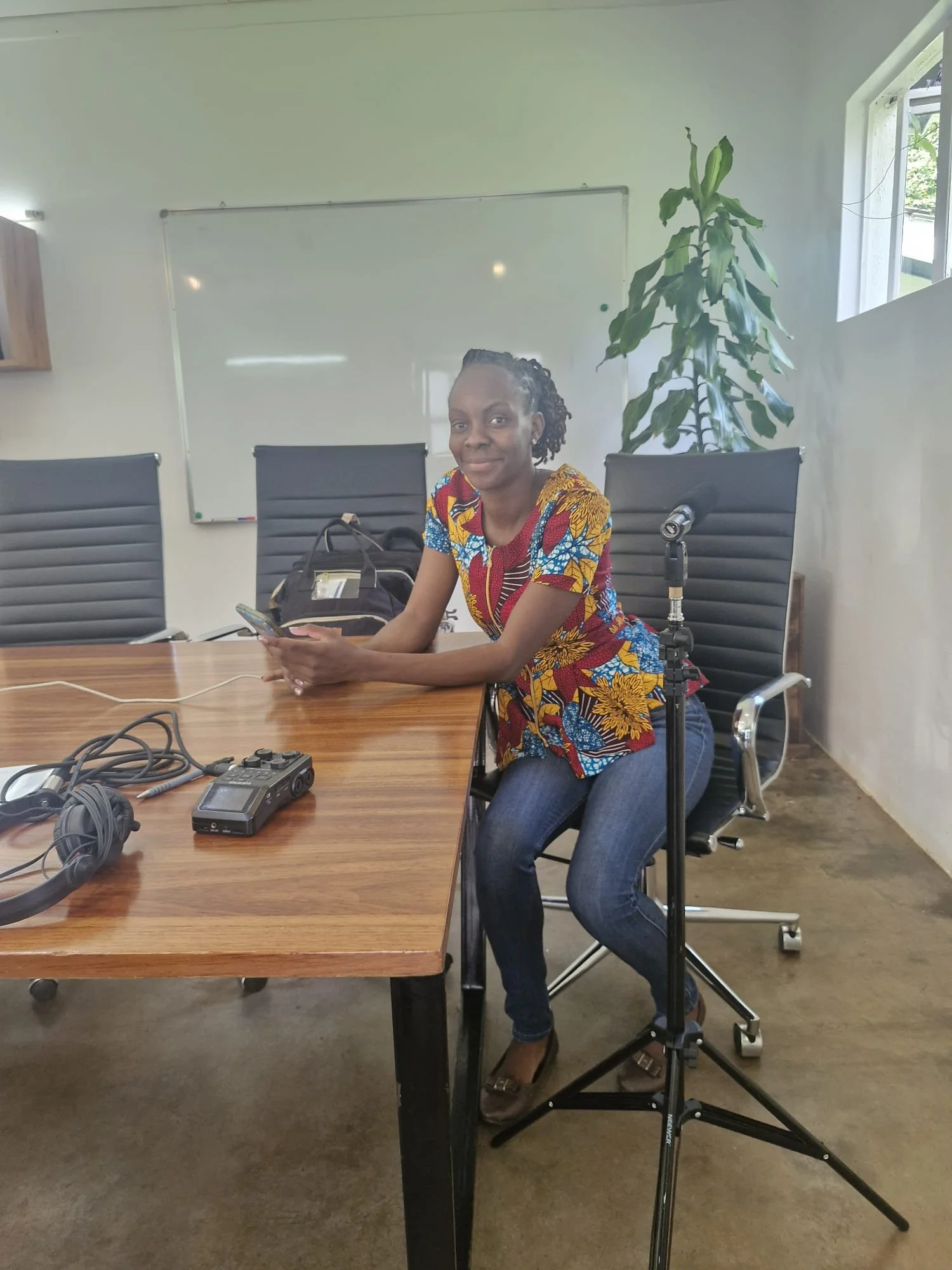
Designing and delivering training in filmmaking and qualitative research in Kenya for agripreneurs and early-career researchers.
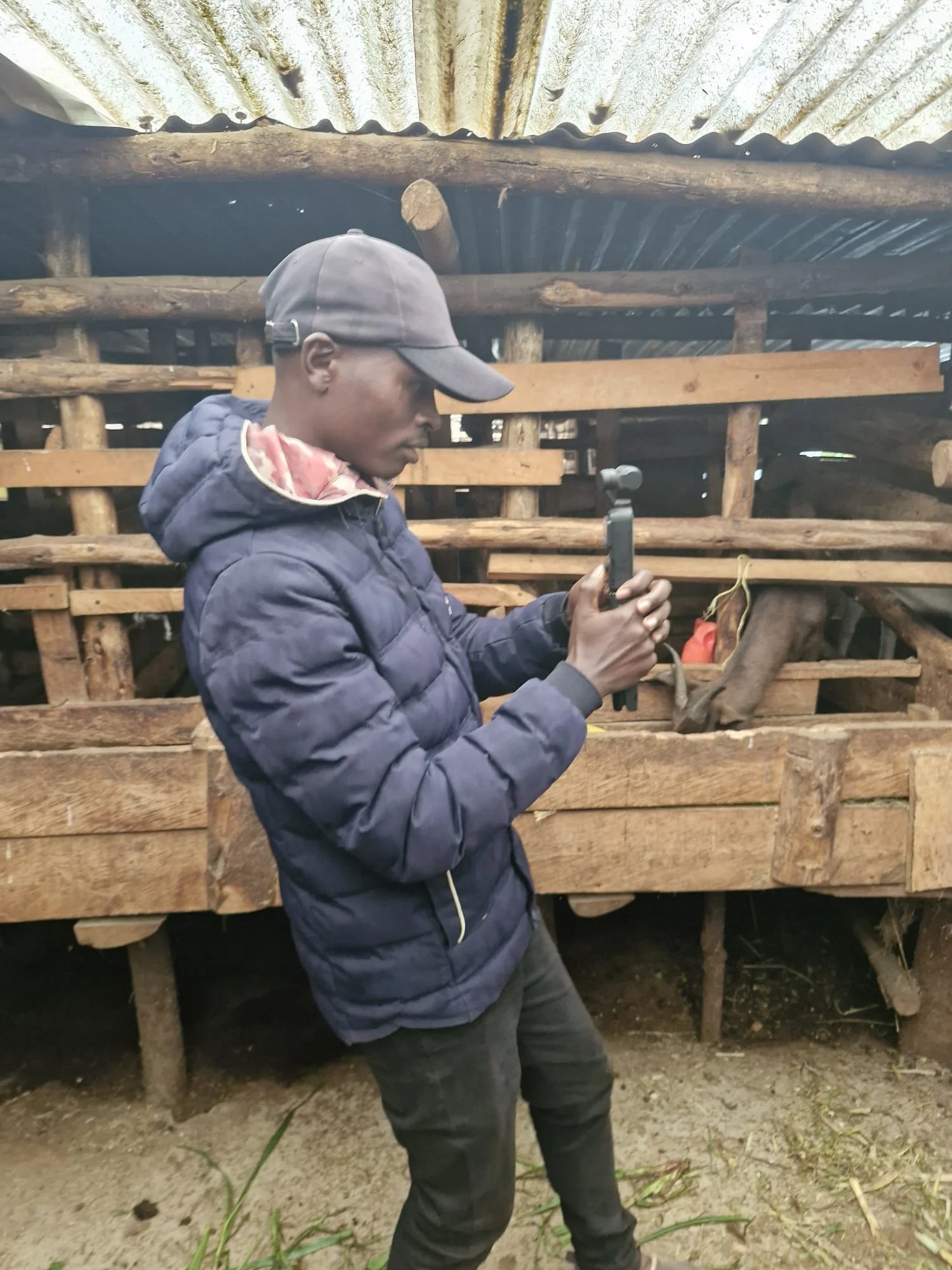
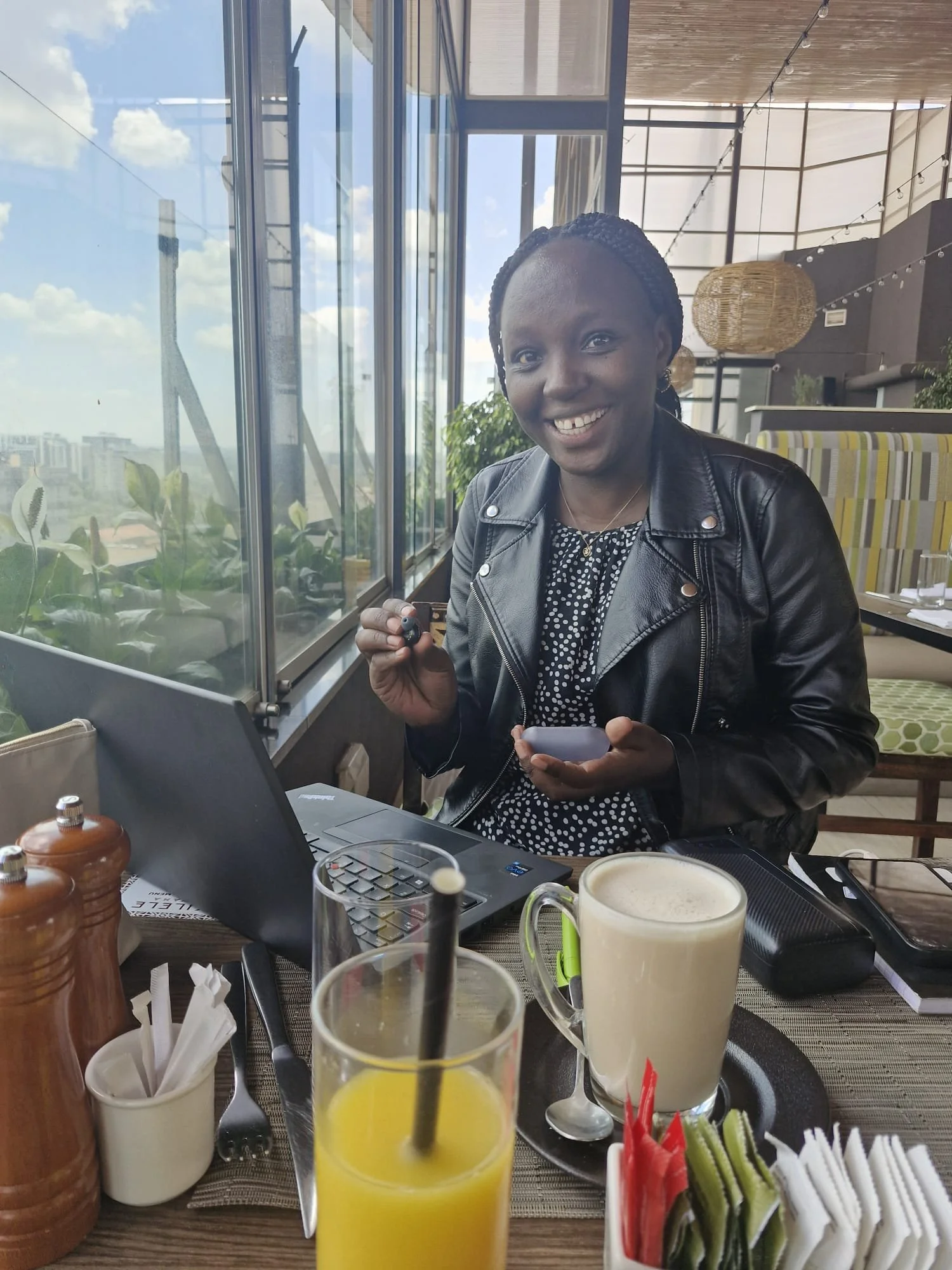
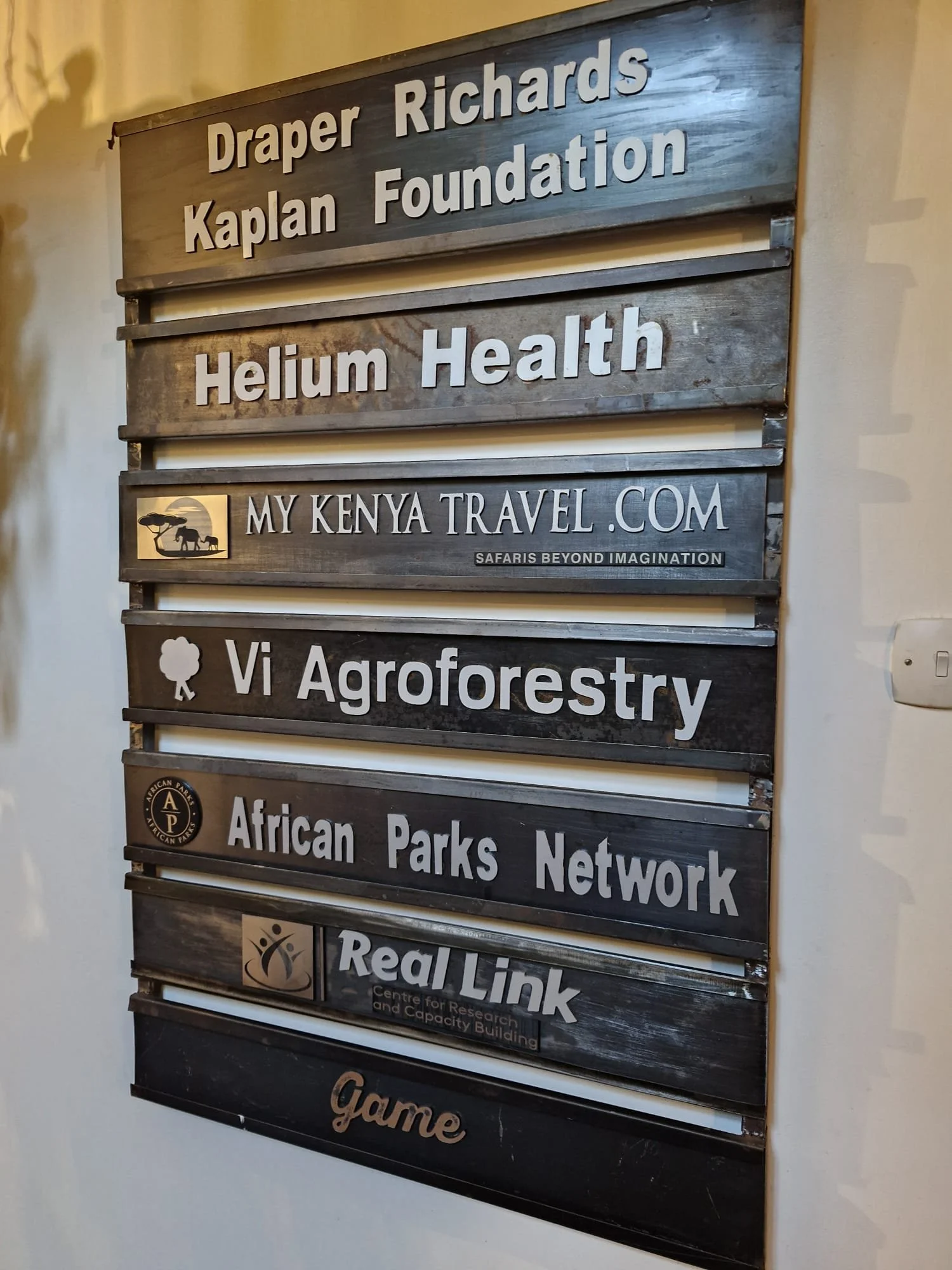
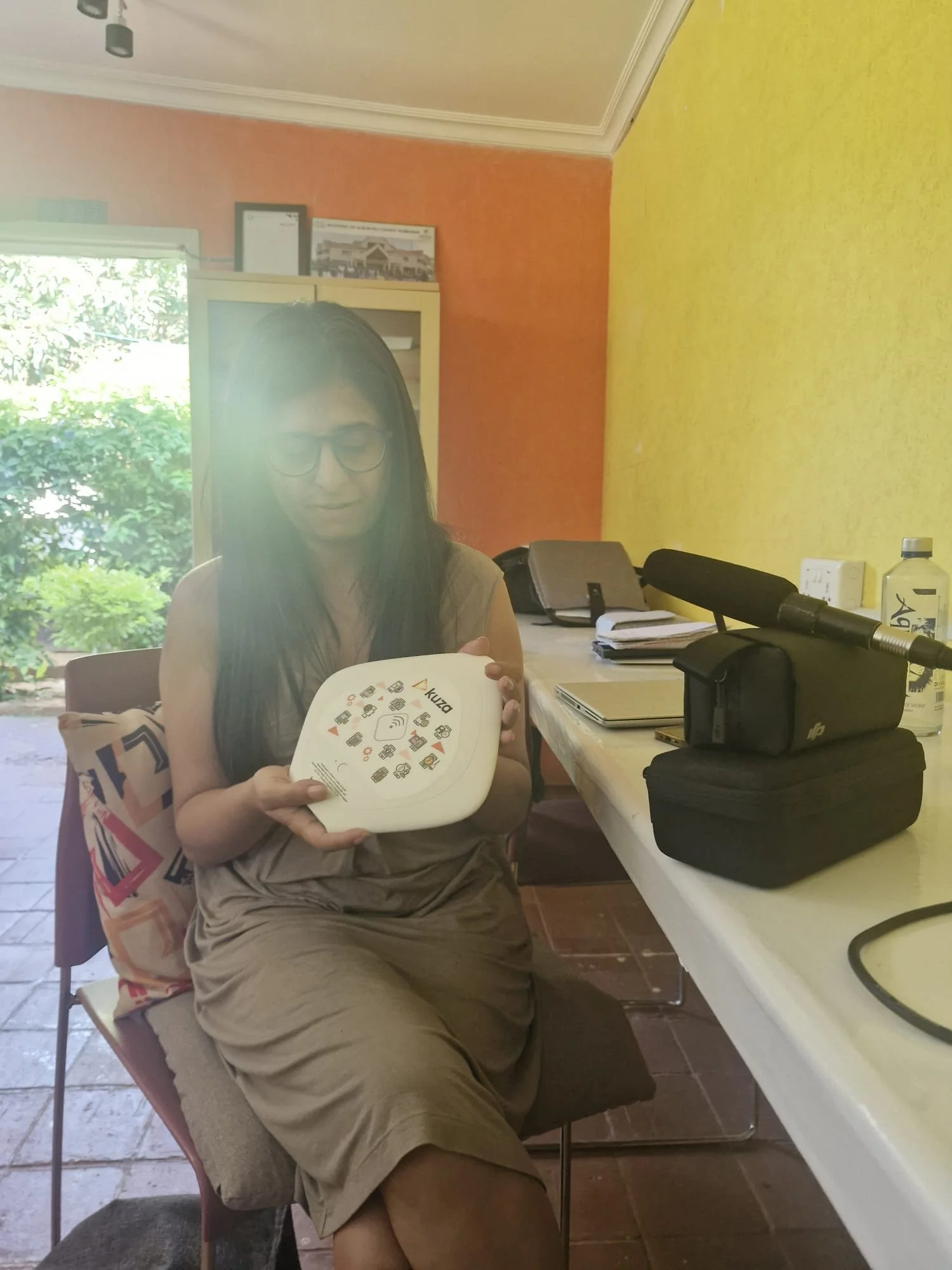
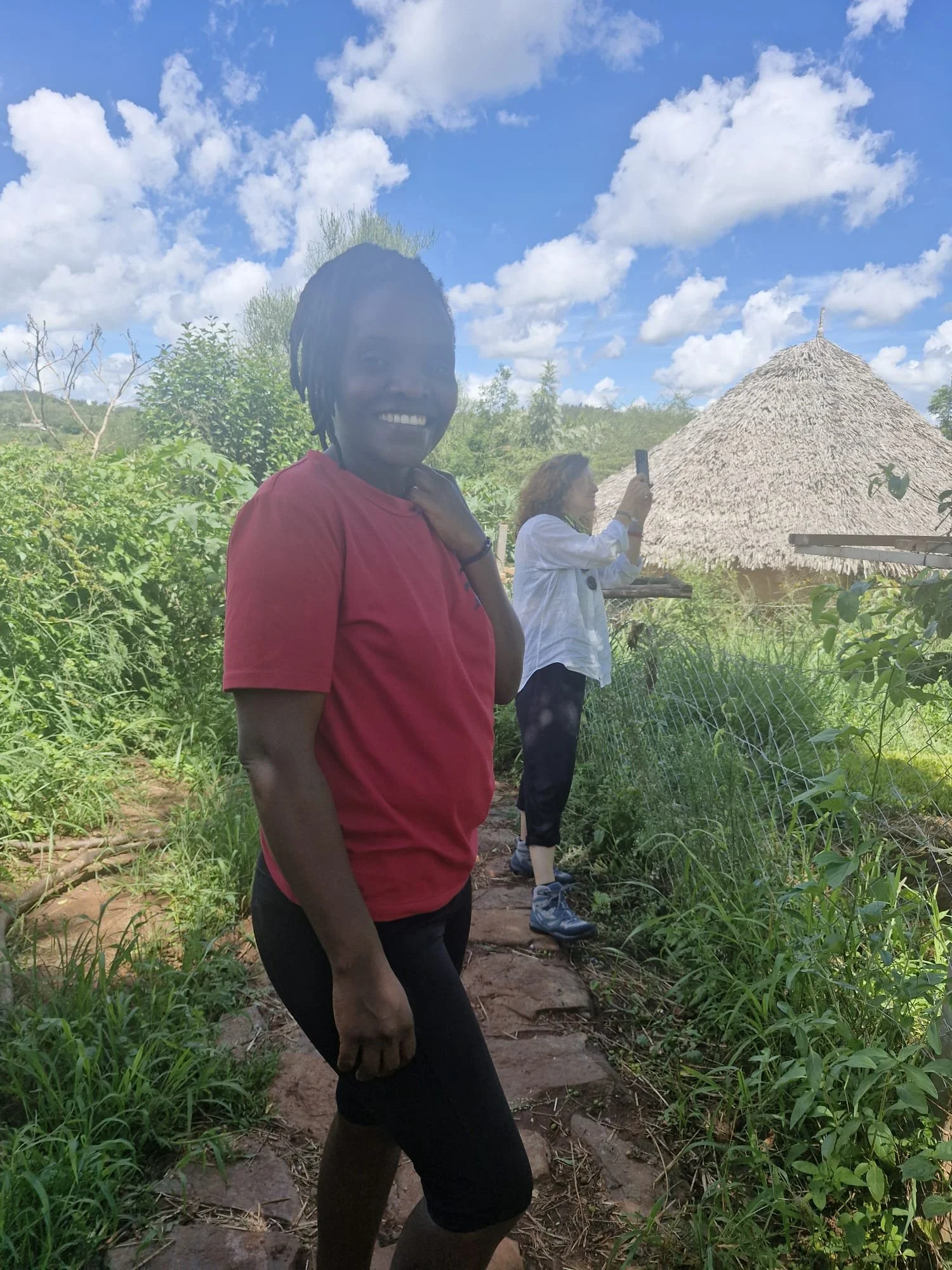
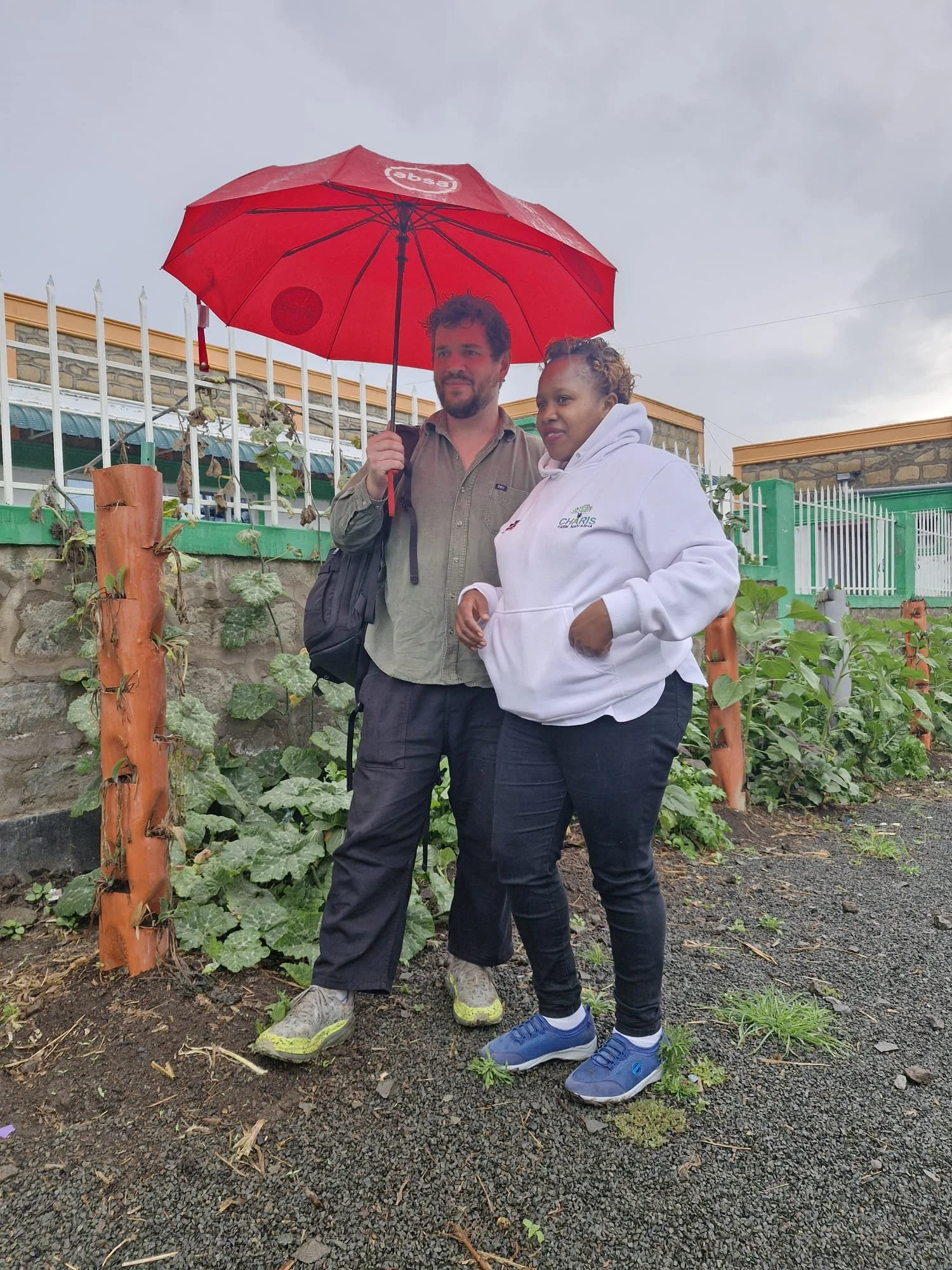
During a month-long research period in Kenya, we worked closely with participants from previous collaborations, as well as students from Strathmore University, supporting them to shadow fieldwork and build confidence in conducting their own research for the platform.
Fieldwork at the Core
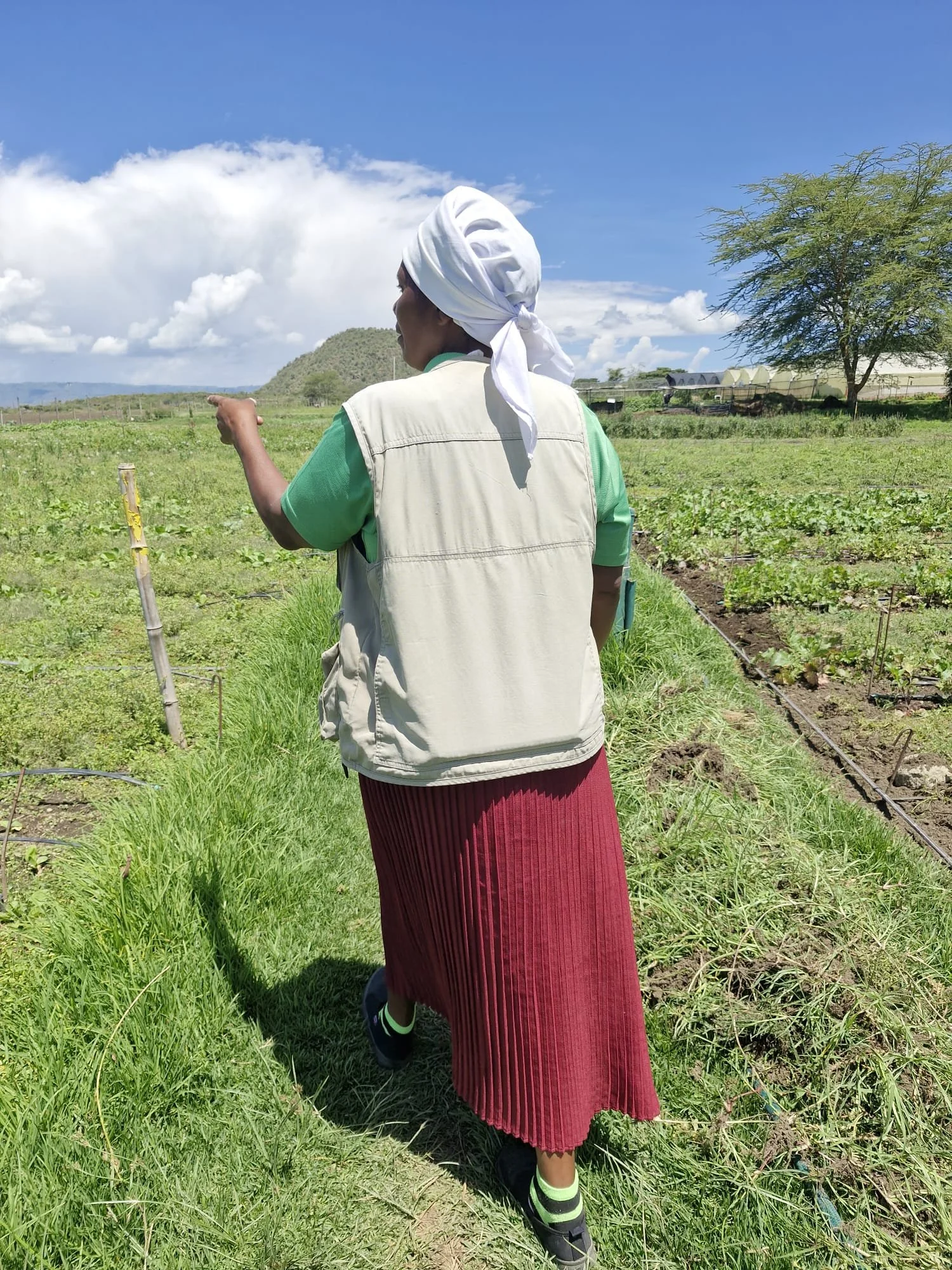
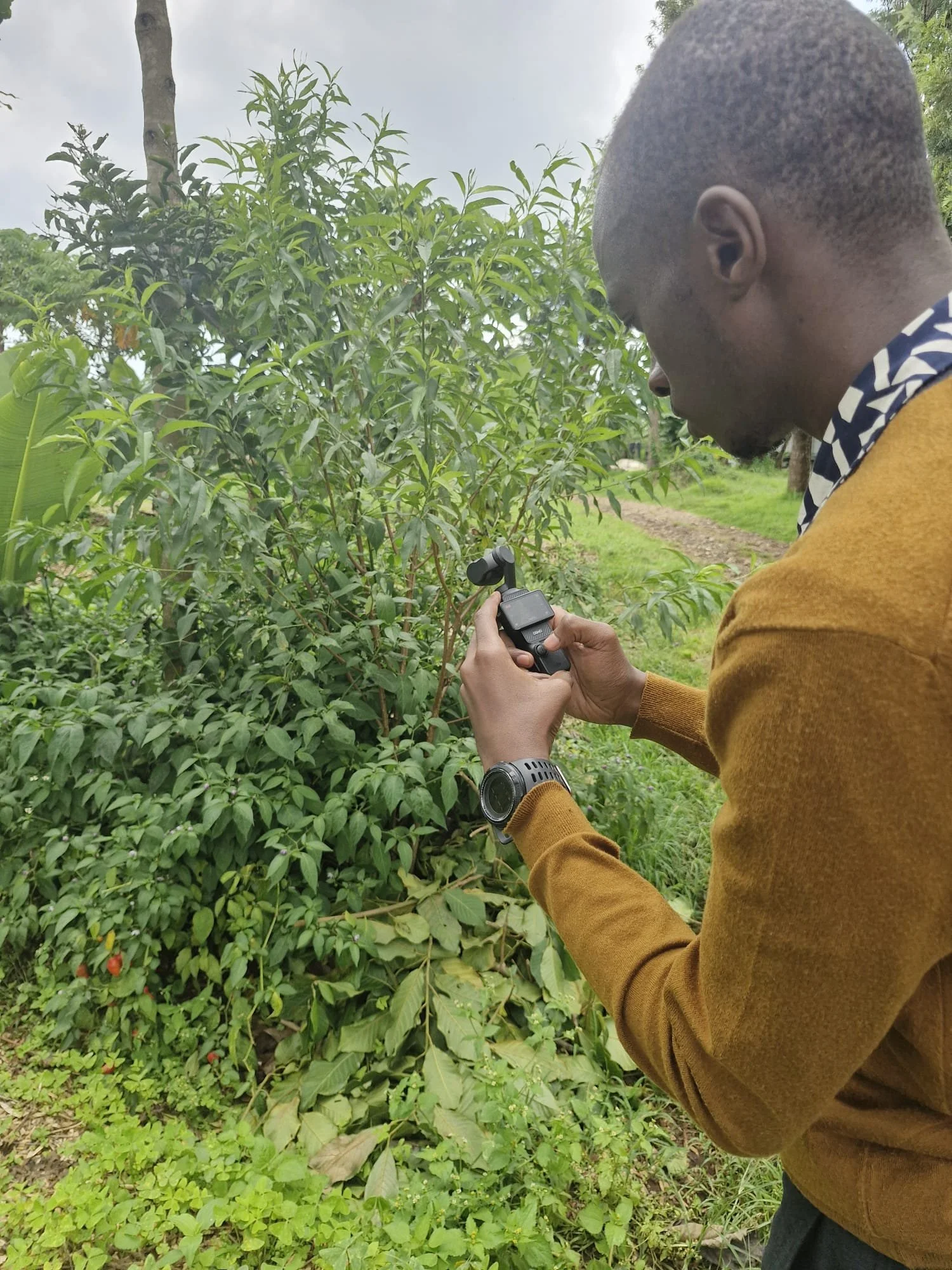
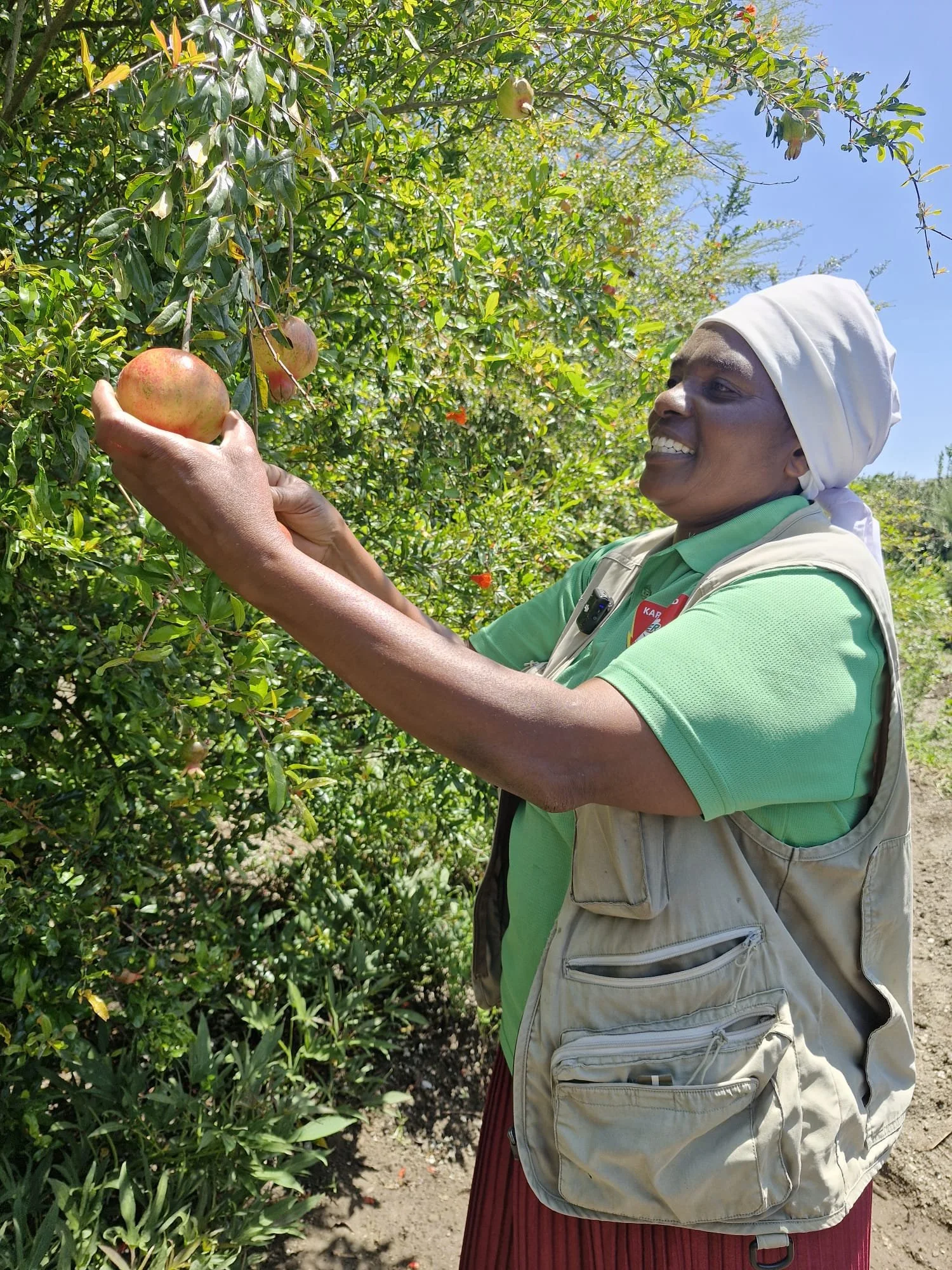
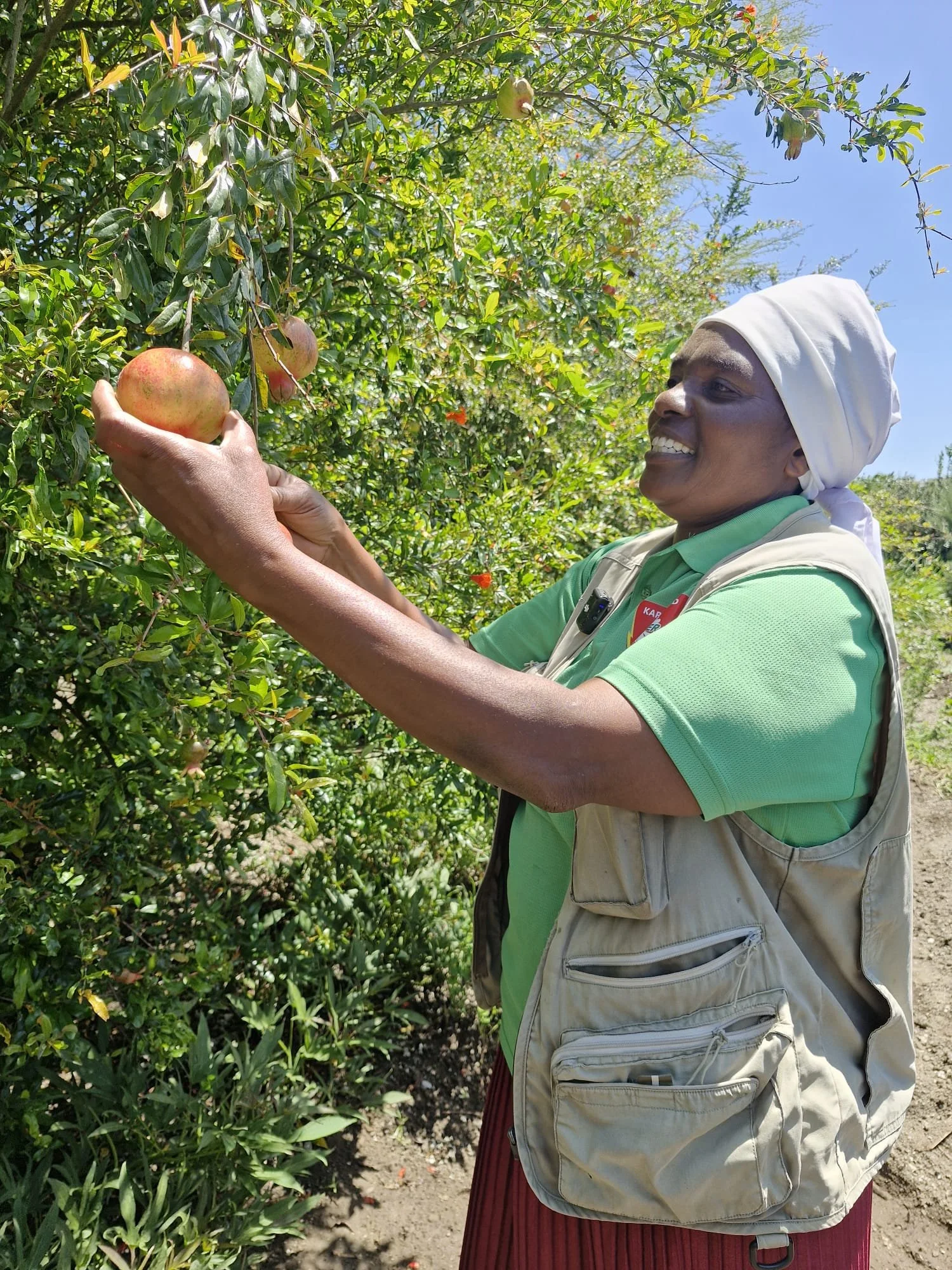
Across the UK and Kenya, Habitus Insight personally visited 20+ projects, with many more delivered through our extended research network.
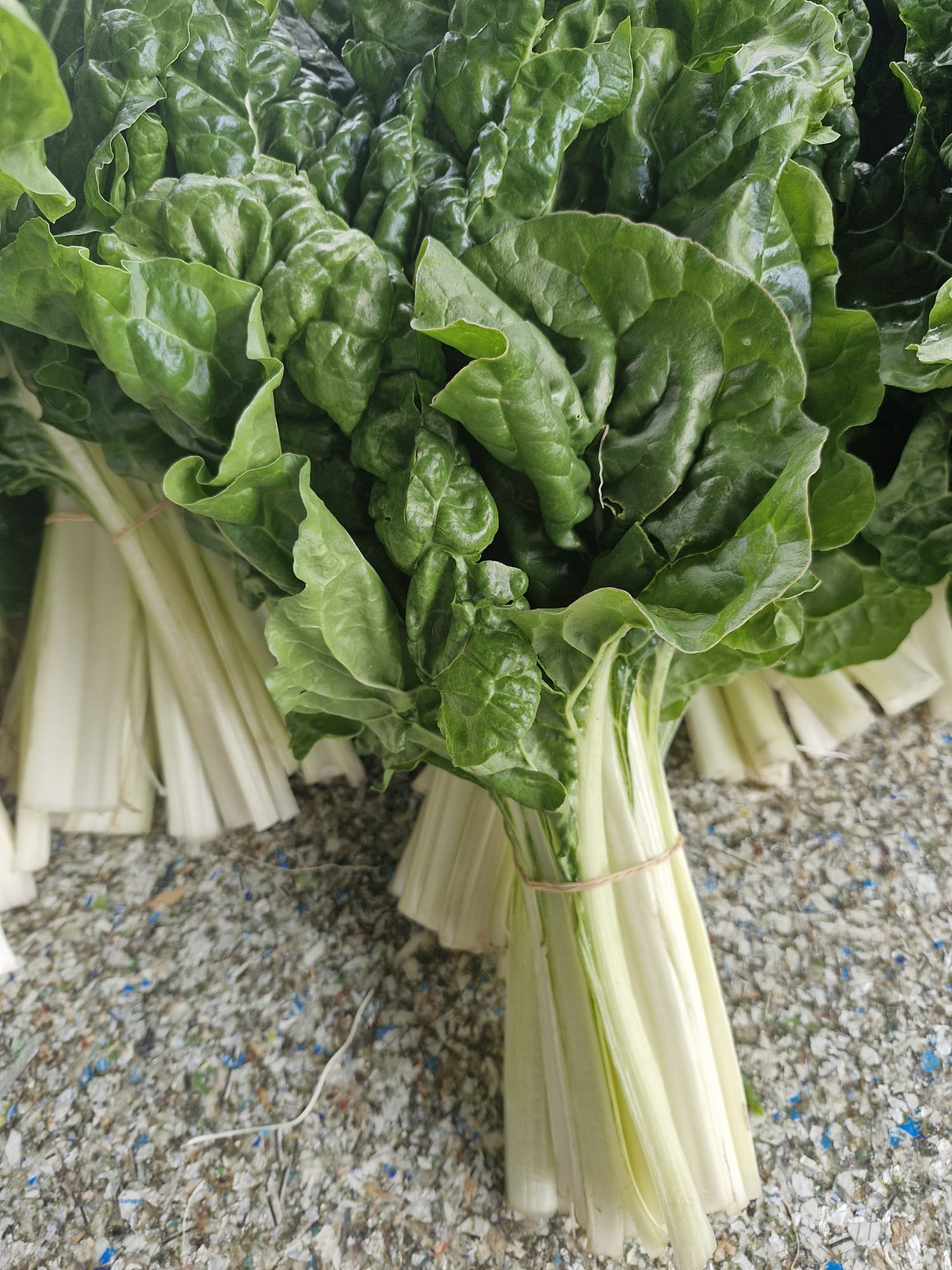
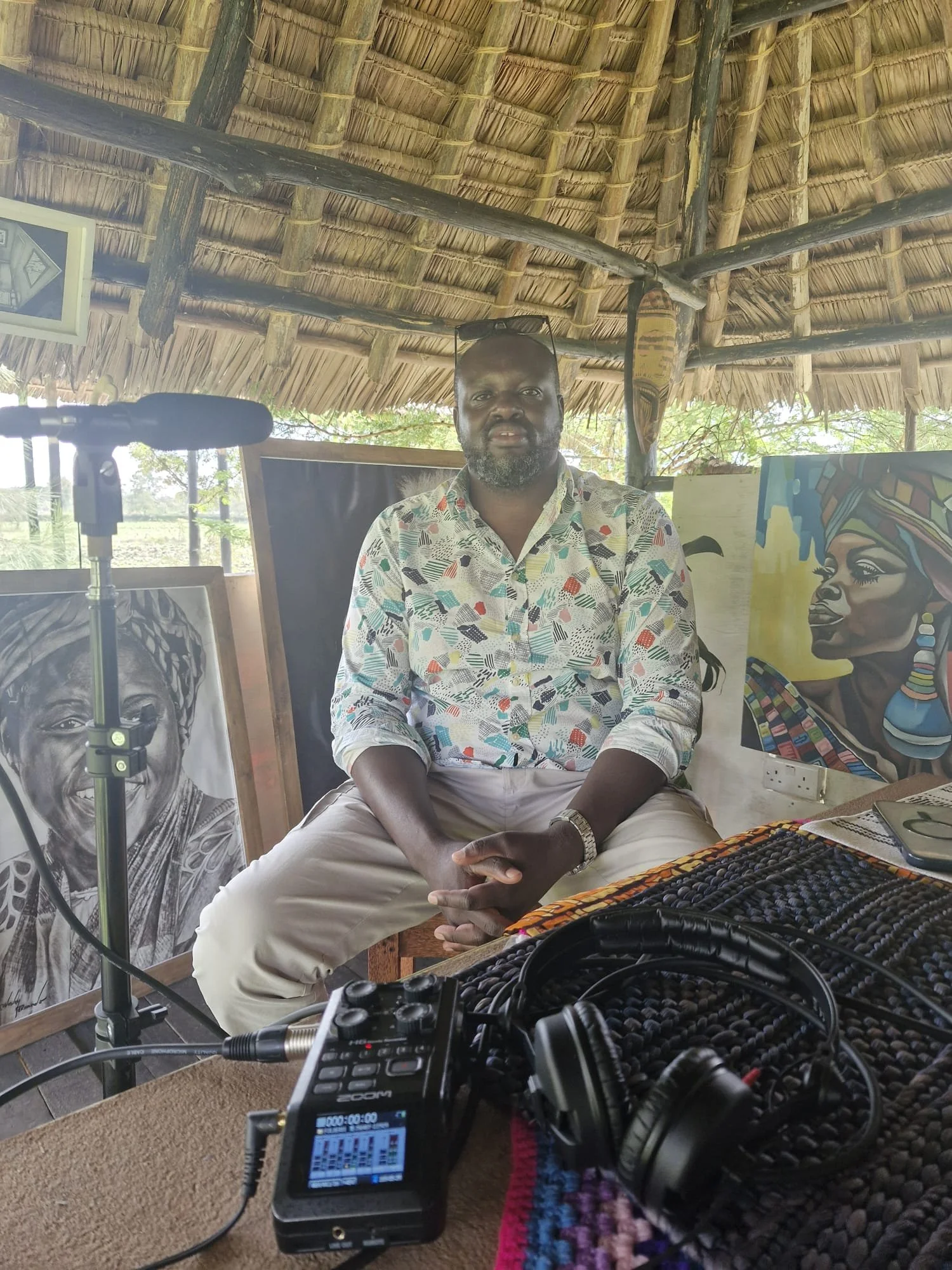
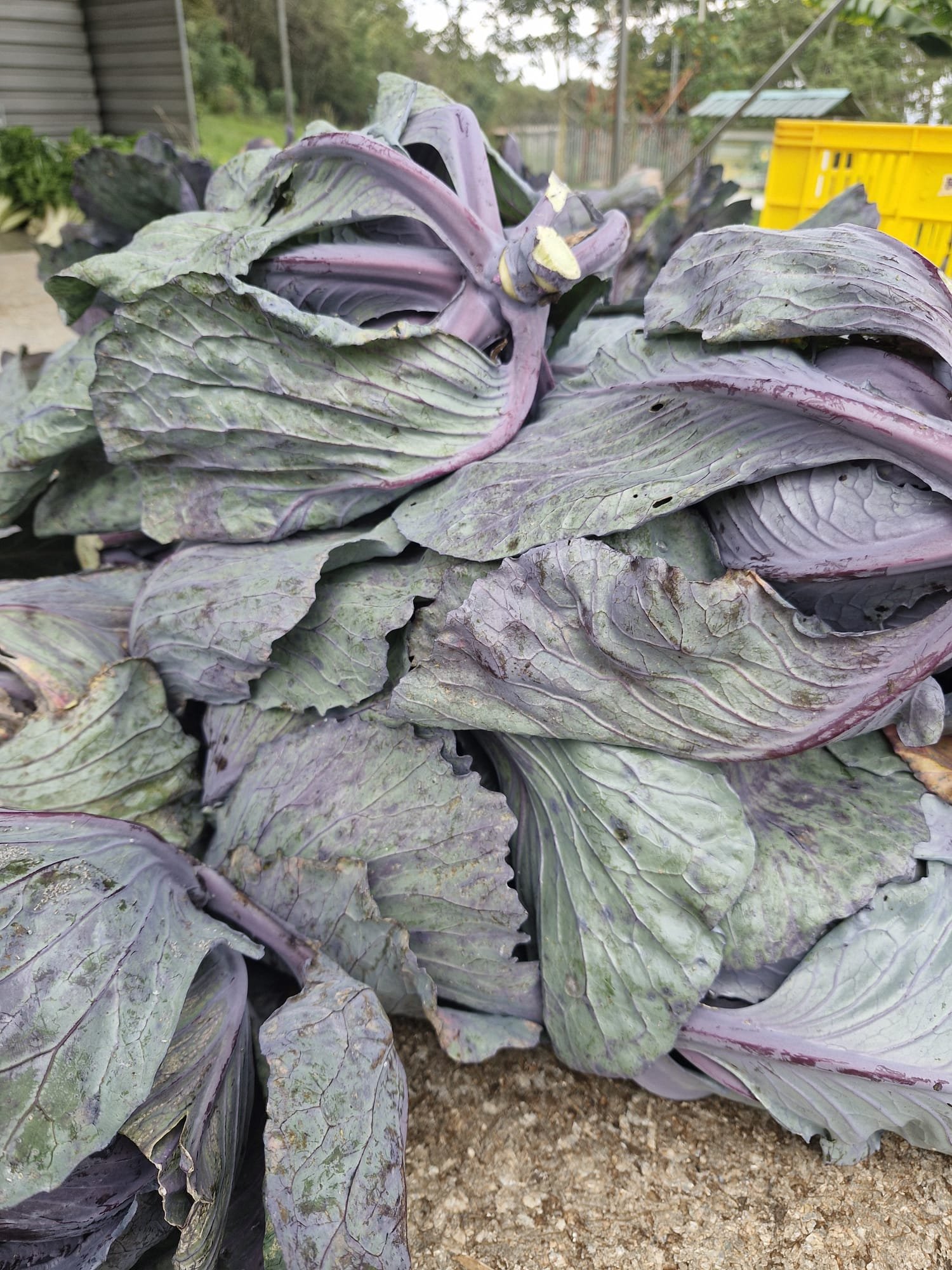
This work involved spending long beautiful days on farms and community projects, listening to people working with approaches such as permaculture, syntropic agroforestry and no-till agriculture. The focus was always on understanding motivations, constraints and principles, rather than promoting a single model or solution.
In total, over 40+ hours of interview material were recorded, capturing first-hand accounts from individuals working to grow safer, more nutritious food within their communities.
Outcomes
The research conducted by Habitus Insight now form part of The Socioscope’s growing global platform, which brings together hundreds of initiatives across countries and contexts.
Beyond documentation, the platform uses machine-learning tools to analyse patterns across projects, helping surface shared approaches, challenges and innovations that might otherwise remain isolated. By grounding this work in rigorous field research and visual storytelling, The Socioscope is building a resource that enables learning across borders and disciplines.
Reflection
Working on The Socioscope reinforced the value of slow, careful research in a world that often prioritises speed and scale. Visiting farms and food projects, listening deeply, and translating those conversations into accessible visual stories remains at the heart of Habitus Insight’s practice.
This project shaped not only what we delivered in 2025, but how we continue to think about research, storytelling and responsibility within complex systems.
Looking Ahead
As we move into 2026, Habitus Insight continues to work with organisations seeking grounded research, thoughtful visual storytelling and long-term engagement with the communities they collaborate with.
If you are developing a project that requires field research, visual ethnography or documentary storytelling rooted in care and context, we would be glad to start a conversation.